Propane
Standby Generator Gas Lines for New Construction: A Builder Planning Guide
October 12, 2026By Gas Pros Inc. · FL LP Gas License No. 33846
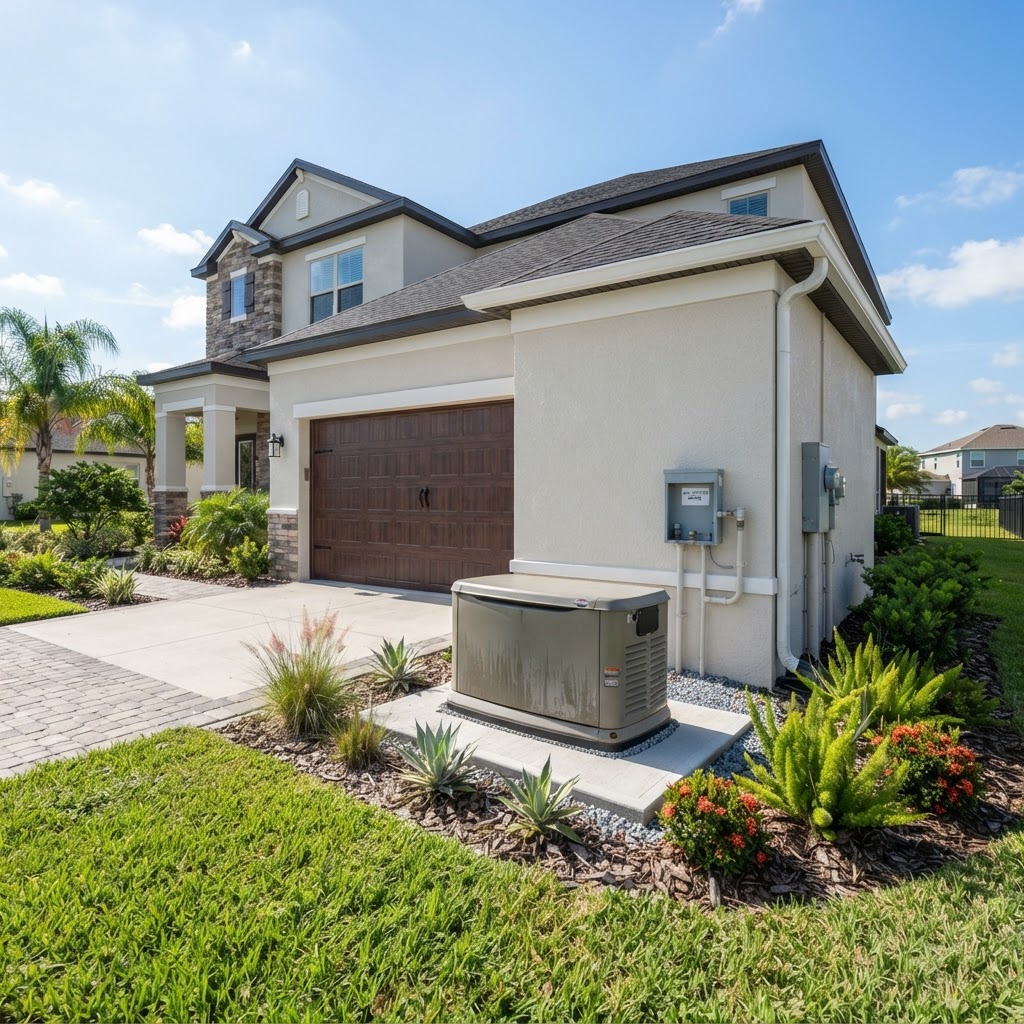
Whole-home standby generators are top-tier selling features for Tampa Bay home builders during hurricane season. Learn how dedicated 3/4-inch to 1-inch gas line sizing, TECO utility capacity checks, propane tank placement, and slab-stage rough-in planning ensure seamless installation in Hillsborough County custom builds.
<p><strong>Direct Answer:</strong> Planning standby generator gas lines during new residential construction requires sizing dedicated high-volume supply branches (typically 3/4-inch to 1-inch pipe), verifying utility gas meter capacity with TECO or sizing adequate LP propane storage, and installing stub-out penetrations during slab and foundation stages. Incorporating generator fuel infrastructure during initial build phases eliminates expensive concrete cutting and wall retrofits while offering buyers turnkey hurricane protection in Tampa Bay. To integrate standby generator gas packages into your builds, contact <a href="https://gasprosinc.com">Gas Pros Inc</a> at (813) 425-3565.</p>
<h2>1. High Peak BTU Demands and Pipe Sizing Requirements</h2>
<p>Whole-home standby generators (ranging from 18kW to 26kW for standard residential properties) consume significant volumes of fuel under full electrical load. A typical 22kW air-cooled standby generator draws between 280,000 and 320,000 BTU/hr on natural gas, and up to 340,000 BTU/hr on LP propane at full capacity. Sizing the fuel supply branch to meet this heavy demand is critical for reliable generator startup when utility power fails.</p>
<p>Standard indoor gas branch lines (1/2-inch or 3/4-inch) are insufficient for generator distances exceeding 20 feet from the gas meter or regulator manifold. Gas Pros Inc recommends installing a dedicated 3/4-inch or 1-inch Schedule 40 black iron or poly pipe line directly from the main gas manifold to the generator pad location. Proper pipe sizing prevents severe pressure drops that cause generator engine stalling under sudden air conditioning compressor start loads.</p>
<h2>2. Utility Meter & Regulator Capacity Checks with TECO Natural Gas</h2>
<p>In natural gas communities across Tampa and Hillsborough County served by Peoples Gas (TECO), standard residential meters deliver approximately 250,000 BTU/hr total capacity at standard pressure (7 inches water column). Adding a 300,000 BTU generator onto a home with an existing tankless water heater (199,000 BTU) and gas range (65,000 BTU) pushes total connected load well beyond standard meter limits.</p>
<p>Home builders must submit a load calculation sheet to TECO early in the construction process to request an upgraded elevated-pressure gas meter (delivering 2 PSI or 500,000+ BTU/hr capacity). Gas Pros Inc manages utility meter upgrade requests, installs required line pressure regulators at generator connections, and coordinates pressure inspections to guarantee seamless utility sign-offs.</p>
<h2>3. Technical Sizing & Fuel Specification Reference Table</h2>
<p>Understanding the mechanical requirements for standby generator fuel lines allows builders to specify accurate site plan details.</p>
<table style="width: 100%; border-collapse: collapse; margin: 20px 0; font-size: 14px; text-align: left;">
<thead>
<tr style="background-color: #1b365d; color: #ffffff;">
<th style="padding: 10px; border: 1px solid #cccccc;">Generator Output (kW)</th>
<th style="padding: 10px; border: 1px solid #cccccc;">Peak BTU Load (Natural Gas / LP)</th>
<th style="padding: 10px; border: 1px solid #cccccc;">Min. Dedicated Line Size (Up to 50 ft)</th>
<th style="padding: 10px; border: 1px solid #cccccc;">Min. LP Propane Tank Size</th>
</tr>
</thead>
<tbody>
<tr>
<td style="padding: 10px; border: 1px solid #cccccc; font-weight: bold;">14kW – 18kW Standby</td>
<td style="padding: 10px; border: 1px solid #cccccc;">220,000 – 260,000 BTU/hr</td>
<td style="padding: 10px; border: 1px solid #cccccc;">3/4-inch Schedule 40 / PE</td>
<td style="padding: 10px; border: 1px solid #cccccc;">250 Gallon (Above or Underground)</td>
</tr>
<tr style="background-color: #f9f9f9;">
<td style="padding: 10px; border: 1px solid #cccccc; font-weight: bold;">20kW – 24kW Standby</td>
<td style="padding: 10px; border: 1px solid #cccccc;">280,000 – 340,000 BTU/hr</td>
<td style="padding: 10px; border: 1px solid #cccccc;">1-inch Schedule 40 / PE</td>
<td style="padding: 10px; border: 1px solid #cccccc;">500 Gallon (Above or Underground)</td>
</tr>
<tr>
<td style="padding: 10px; border: 1px solid #cccccc; font-weight: bold;">26kW – 30kW Liquid Cooled</td>
<td style="padding: 10px; border: 1px solid #cccccc;">380,000 – 450,000 BTU/hr</td>
<td style="padding: 10px; border: 1px solid #cccccc;">1-1/4-inch Schedule 40 / PE</td>
<td style="padding: 10px; border: 1px solid #cccccc;">500 to 1,000 Gallon Underground</td>
</tr>
</tbody>
</table>
<h2>4. Off-Grid Propane Tank Sizing in Wimauma, Sun City Center, & Rural Hillsborough</h2>
<p>In developing areas such as Wimauma, Sun City Center, Balm, Ruskin, and Lithia, natural gas utility mains are often unavailable. Standby generators in these developments operate on LP propane supplied by dedicated underground or above-ground tank sets.</p>
<p>Propane tank sizing must account for extended hurricane-induced utility outages. A 22kW generator running at 50% load consumes approximately 2.1 gallons of propane per hour. Operating continuously for 5 to 7 days during storm recovery requires a minimum 500-gallon propane tank (which holds 400 usable gallons at 80% fill capacity). Gas Pros Inc specifies underground propane tank locations, installs anti-flotation concrete anchor kits for high groundwater tables, and runs buried PE piping with tracer wire to the generator pad.</p>
<h2>5. Slab and Foundation Stage Rough-In Execution</h2>
<p>Planning generator stub-outs before pouring concrete foundations dramatically reduces installation labor. During foundation prep, gas mechanics install a PVC sleeve or underground gas line stub extending through the exterior slab footings to the designated generator pad area (typically adjacent to the electric meter and transfer switch).</p>
<p>Roughing in during foundation construction keeps fuel piping hidden underground rather than strapping exposed iron pipes along exterior stucco walls post-construction. This clean aesthetic enhances curb appeal and protects piping from lawn equipment impact.</p>
<h2>6. Hurricane Season Buyer Demand & Marketing Advantage</h2>
<p>Severe weather events and tropical storms make backup power readiness a top priority for Tampa Bay homebuyers. Offering a "Generator-Ready Gas Package"—including pre-installed fuel lines, slab pad, automatic transfer switch wiring, and gas stub-outs—distinguishes your floor plans from competing builders.</p>
<p>Pre-wiring and pre-piping cost a fraction of post-construction retrofits while allowing buyers to roll generator equipment costs directly into their primary mortgage financing. Partnering with Gas Pros Inc provides turnkey execution that satisfies home buyer demand and generates high design upgrade margins.</p>
<h2>Frequently Asked Questions</h2>
<h3>What size gas line is needed for a 22kW standby generator?</h3>
<p>A 22kW standby generator generally requires a dedicated 3/4-inch to 1-inch gas supply line, depending on the distance between the gas meter/propane regulator and the generator unit. Runs over 30 feet typically require 1-inch piping to maintain required fuel volume and pressure.</p>
<h3>Do I need to upgrade the TECO gas meter for a generator installation?</h3>
<p>Yes, in most cases. Standard residential natural gas meters deliver 250,000 BTU/hr, whereas a 22kW generator draws roughly 300,000 BTU/hr on its own. Gas Pros Inc submits load paperwork to TECO to install an upgraded high-capacity meter.</p>
<h3>How far must a standby generator be placed from the home?</h3>
<p>Under National Fire Protection Association (NFPA 37) standards and Florida Building Codes, standby generators must be placed at least 5 feet from operable windows, doors, and combustible wall structures, with adequate clearance for airflow and maintenance.</p>
<h2>Partner with Gas Pros Inc on Your Next Hillsborough County Build</h2>
<p>Prepare your new home builds for hurricane season with expert standby generator gas line design and installation from Gas Pros Inc. Based in Wimauma and serving Tampa, Riverview, Apollo Beach, Sun City Center, and surrounding Hillsborough County communities, we partner with builders to deliver reliable fuel piping solutions. Call our team today at (813) 425-3565 or visit <a href="https://gasprosinc.com">Gas Pros Inc</a> to request a generator plan review.</p>